
From Dress Photo to Sample: A Decision Log for Factory Development
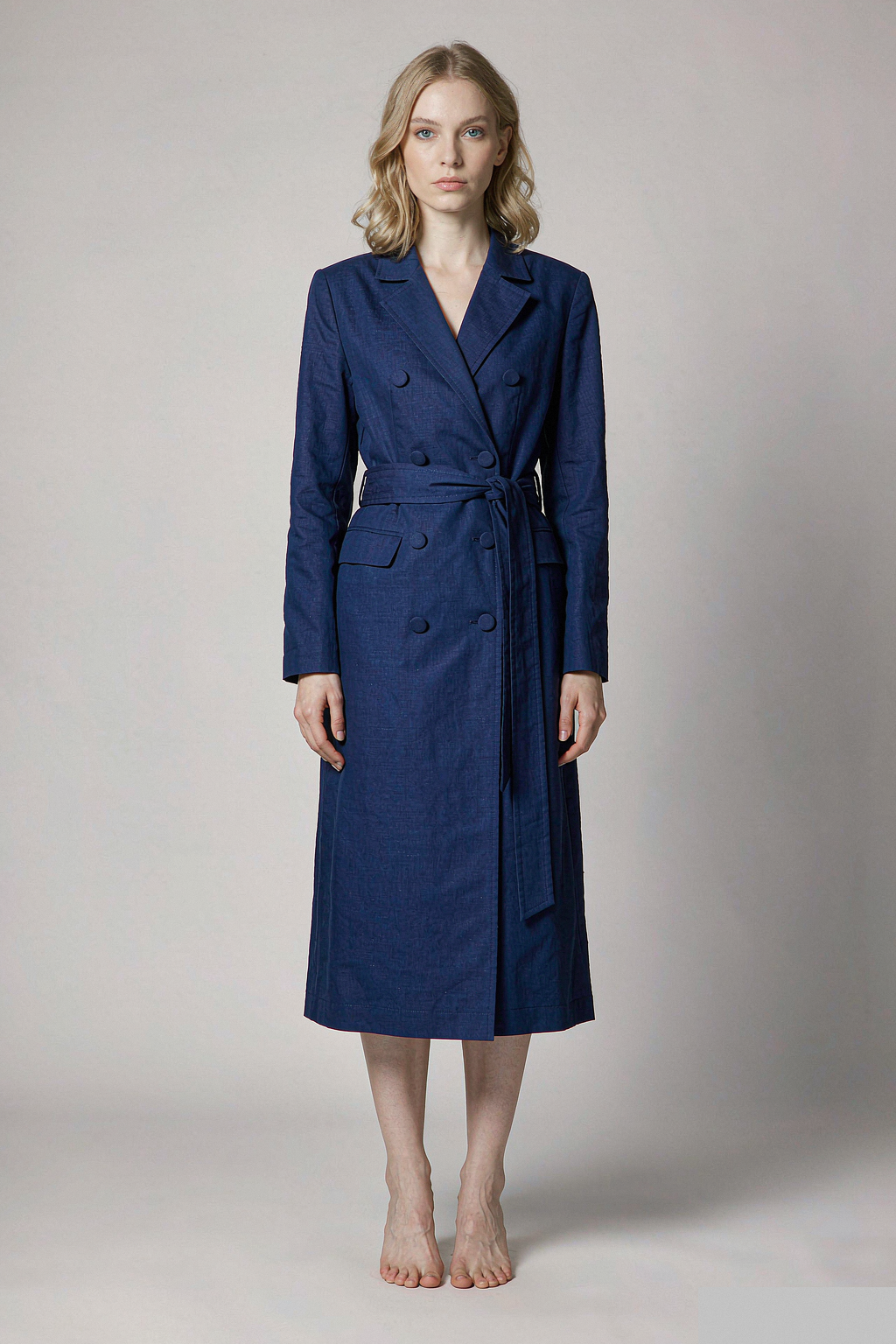
Build an agreed development brief
A successful custom dress enquiry starts with a shared brief rather than a photograph alone. ZGYESE, the factory brand of Dongguan Night Clothing Co., Ltd. in Humen, Dongguan, works with buyers discussing dress-development requirements. The useful first question is what the buyer needs to reproduce, change or achieve. A reference may communicate an overall look, but it rarely defines every measurement, seam, material or finish. The following planning sequence helps brands and wholesale buyers prepare an enquiry and understand the decisions required before a firm bulk quotation.
Define the product and its intended customer
Identify the main product, intended use, target market and expected size range. State whether the reference is a single dress, a matching set or an outfit containing accessories that should be excluded. Mark the details that matter most: neckline, sleeve shape, waist position, skirt length, coverage or decorative treatment. If several references are supplied, explain which feature comes from each. A technical pack is helpful, but a buyer without a complete pack can still begin a development discussion by clearly stating what is known and what needs factory input.
Agree a proposed material and construction route
Material selection should follow the silhouette. A structured blazer-dress development reference has different support requirements from a flowing pleated maxi-dress reference. Record the selected main fabric, lining, interlining and closure assumptions. Target fibre content or weight proposed during development is not a measurement of the photographed garment. When a buyer already has an approved fabric, supply its specification or sample rather than allowing an unrelated material to become the costing basis.
Request an estimate with a defined scope
Provide quantity per style and per colour, together with a proposed size mix. For the new development products described on our website, the stated starting quantity is 50 pieces per style per colour. This is not a promise that every fabric, colour treatment or special process has the same practical minimum. Ask what the estimate includes, which costs are excluded, the currency, the trade term and the validity period. Sample-development charges and special requirements should be agreed separately rather than assumed to disappear inside a displayed unit price.
Use sampling to resolve open questions
A sample is the stage for examining how the proposed materials and pattern work together. Compare its proportions, ease, construction and appearance with the agreed brief. Review movement and coverage as well as a static front view. Record requested changes with photographs, measurements and a version reference. Comments such as make it better are difficult to execute consistently; a specific instruction about sleeve width, waist position or fastening is more useful. Sampling can reveal changes needed to the cost assumptions, so approval should not rely only on an earlier image-based estimate.
Freeze the approved version before bulk planning
Before bulk production is confirmed, align the final material, sample, measurement information, colour references, size allocation and order scope. Keep a clear record of which version has been accepted. If material or construction changes afterwards, identify the effect on price and scheduling before proceeding. A target delivery date is a buyer requirement to discuss, not an automatically guaranteed factory commitment. The responsible contact, approval method and outstanding questions should be visible to both sides, especially when several people review the same development.
Prepare a concise factory enquiry
Send the reference or technical pack, quantity per colour, sizes, proposed material requirements and target delivery date. Include the aspects that are flexible and those that are fixed. Ask how revisions will be recorded and what must be confirmed for a firm quote. Can development start from images? Images can begin the discussion, but missing specifications must still be resolved. Can the sample and bulk use different materials? Any intended difference needs an explicit agreement; otherwise the sample is not a reliable reference for the proposed order.
A reusable decision log for one style
Create a record with the style reference, revision date, question, evidence, proposed decision, responsible reviewer and status. For a blazer-dress reference, an entry might ask whether the lapel needs local support; its status remains proposed until the relevant sample is reviewed. A second entry can identify the intended hem length and measurement method. A third records whether the belt is included in the sale unit. Mark every entry as open, proposed, accepted or superseded. Keep older decisions visible when revisions occur. This avoids the common problem of approving a new photograph while the material and costing still refer to an earlier version. The log is a communication tool, not proof that a sample has passed inspection.
Discuss your development with our factory
For a practical enquiry, send the style reference or technical pack, quantity per style and colour, intended size range, preferred material requirements and target delivery date. Identify any details that are fixed and those open to a proposed alternative. Reference the relevant product number when discussing an existing website style. Our team can review the requirements and quotation scope with you; the final material, sample and order conditions need agreement before a firm commitment.
 Partners WantedJoin Us As Business Partner!





ISO9001 & BSCI COMPLIANT & CUSTOM ORDERS WELCOME OEM/ODM


http://www.zgyese.cn